Coil & sensors
Check compatibility with the exact model and intended use. A similar connector is not confirmation.
Put it in the written request ↗ATLAS / GOLD PROSPECTING
Understand the intended gold-search application before comparing detector systems and coils.
THE QUESTION BEHIND THE EQUIPMENT
The phrase gold detector is used for equipment with very different operating methods. When comparing prospecting models, identify the type of work, the expected target class, the ground conditions and the supported coils. A product name alone does not establish suitability. Ask which operating principle is used and which parts of the manufacturer's guidance apply to the complete configuration under consideration.
An enquiry should describe whether you are learning to use a detector or preparing a defined field task, how long sessions may last and how equipment will be carried and powered. Avoid turning a quoted maximum into an expected result. Test conditions, target size and ground response matter. A written brief and a realistic familiarisation plan are more useful than a guarantee that cannot be related to your site.
BEFORE THE SHORTLIST
THE COMPLETE CONFIGURATION
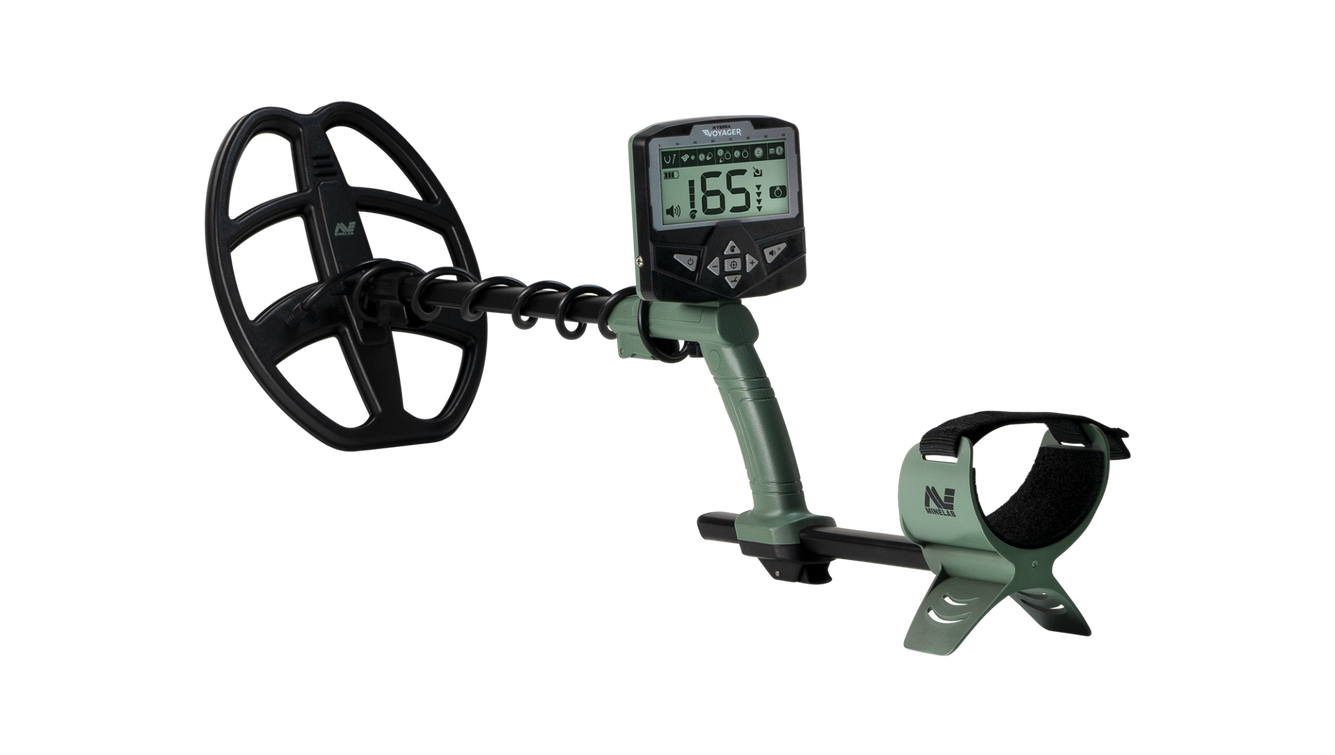
Illustrated model: X-TERRA VOYAGER. Confirm the actual supplied kit.
Check compatibility with the exact model and intended use. A similar connector is not confirmation.
Put it in the written request ↗Identify the version, language, any licence and the computer or tablet needed for the workflow.
Put it in the written request ↗Confirm the batteries, charger, cables, complete working weight and supplied carrying equipment.
Put it in the written request ↗Original model records and reference prices remain in Arabic.
KEEP THE DETAIL CLOSE
Open a note when you need the detail behind the decision.
A country or region is not a single ground condition. Surface cover, mineralisation, moisture, nearby interference and access can vary within the same work area. Describe what is actually known and label what is uncertain. Where the manufacturer describes ground balancing, noise handling or coil selection, read the procedure for the exact model. Do not transfer settings from a different device or assume that a setting removes every source of uncertainty.
A meaningful comparison records the target and test conditions as well as the observed response. Target size and orientation, coil arrangement, sweep technique and the surrounding ground may affect what is seen or heard. Distinguish an equipment operating limit, such as a water-resistance rating, from a detection result. A permitted immersion depth does not state how deeply an object will be detected. When site conditions remain unclear, request guidance and avoid turning a broad terrain description into a performance promise.
Read the operating principle before comparing headline specifications. Metal-detection systems, specialist gold-prospecting equipment, ground scanners and resistivity systems do not form one simple ranking from weak to powerful. Their sensors, collection methods and interpretation requirements differ. A feature called deep search on one device may describe a different process from a similarly named function on another. Use the exact manual and model reference to establish what is being compared.
Within an appropriate family, review the available operating modes, compatible coils or sensors, handling and settings relevant to the brief. Ask which adjustments are expected from a new operator and which require experience. Avoid treating a manufacturer chart as a guarantee for a different target or location. The objective is a system that matches the intended workflow, with clearly recorded limitations and the necessary accessories, rather than a device selected by the largest number in an advertisement.
Write down the primary question in ordinary language. What class of target or physical property are you investigating? Is the task a learning exercise, a comparison of hobby equipment or a measured survey requiring specialist interpretation? Include the broad work area, access conditions, likely session length and the experience of the person operating the equipment. These details help separate an appropriate system from an attractive but unrelated feature list.
Then identify what would count as a useful observation and what the instrument cannot establish. A target response is different from a verified identification; an interpreted survey is different from a confirmed resource. If the intended result affects a consequential project decision, define who will review the work and what other evidence is needed. Keep this brief with the enquiry so that later changes in model, kit or price can be assessed against the original purpose.
A model name is only the beginning of a configuration. Ask for a written list of the control unit, coil or sensors, shafts, charging equipment, batteries, headphones, cables, carrying equipment and any software that is actually included. Mark optional accessories separately. Product photographs may show a demonstration arrangement or several possible items; they are not a substitute for the supplied-kit list attached to a quotation.
Check compatibility whenever an accessory is changed. A connector that looks similar is not evidence that a coil, charger or sensor is supported. Consider the complete working weight, transport volume and charging arrangements, rather than the headline weight of one component. For software-dependent equipment, identify the required operating system and any computer or tablet that must be supplied separately. Keep version identifiers with the order so that later support questions refer to the equipment you actually received.
Use the original model page as a reference point and check the applicable manufacturer documentation for a technical question. Distinguish a confirmed specification from an editorial explanation, an illustrative image or a statement that needs clarification. Record the edition or version when it is available. If a claim lacks enough context to assess it, ask for the underlying conditions rather than repeating it as an established result.
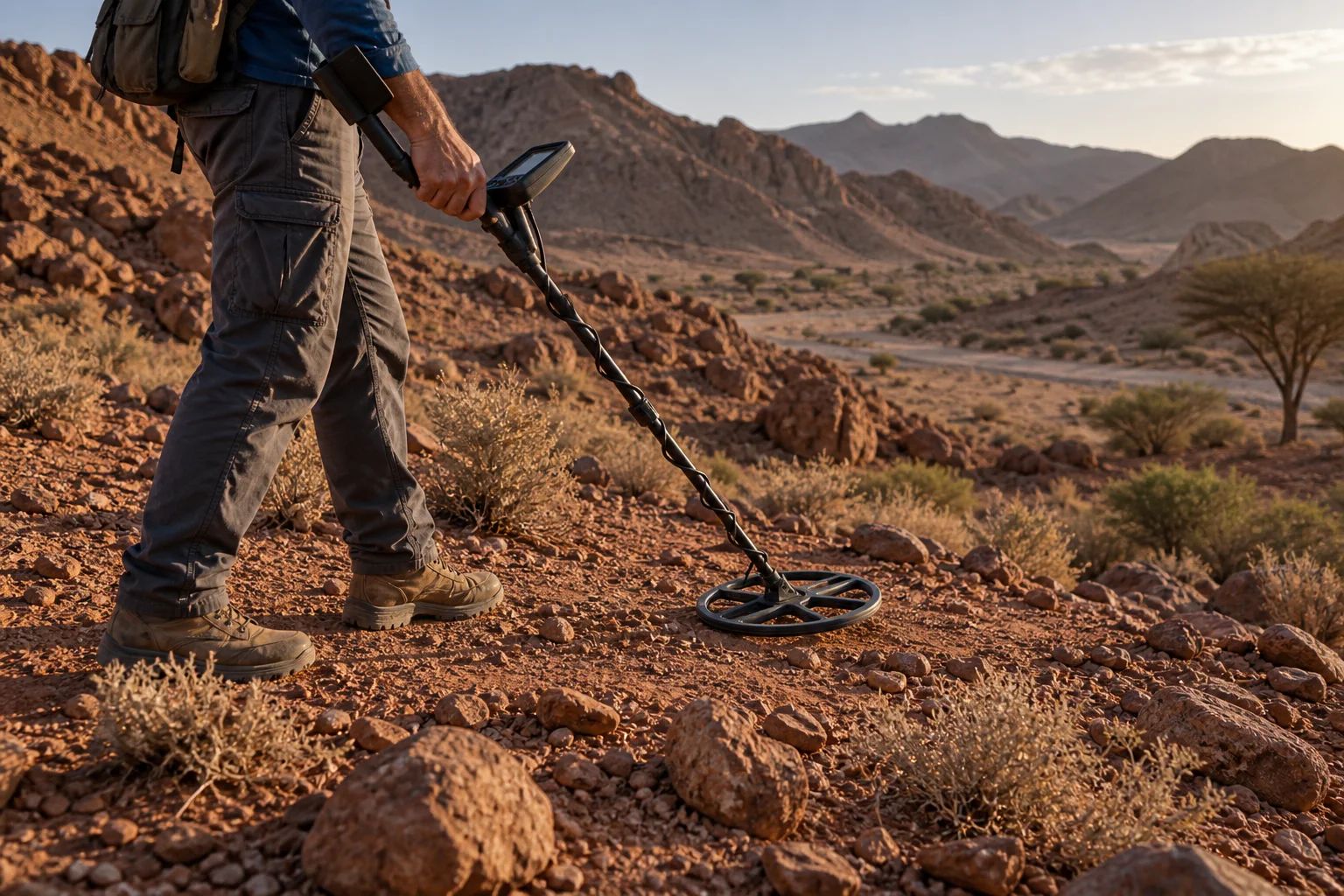
Images of products identify a model, while field-work photographs communicate a setting. Neither establishes local stock, authorised dealership status or performance at a particular site. Demonstration graphics and three-dimensional displays also need a collection and interpretation method behind them. Keep written answers to important questions with the quotation. Where sources disagree, ask the responsible seller to resolve the difference explicitly, including which specification and configuration will apply to the proposed order.
Create a short comparison with columns for intended application, operating method, included configuration, required accessories, training, original currency and unresolved questions. Keep the source URL beside each entry. This avoids comparing a bare unit with a complete kit or mistaking an optional software licence for a standard inclusion. If the information cannot be confirmed, write unknown rather than assuming the most favourable interpretation.
Separate requirements from preferences. A necessary sensor, supported language or usable power arrangement can rule out an otherwise attractive option. A preferred display or carrying case may be less important. Review total practical suitability before comparing price alone. When a quotation changes, update the same comparison and preserve the earlier version. The value of the table is that another person can follow how the decision was made, including the assumptions that still need checking.
Treat familiarisation as part of the equipment decision. Check the language and availability of the manual, the controls that must be understood and any training included in the proposed supply. Begin with the manufacturer's setup sequence and a suitable controlled environment. Record settings and observations so that you can distinguish an operating change from a change in the target or ground conditions.
For survey equipment, discuss collection procedure and interpretation separately. Knowing how to switch on a device is not the same as being able to design or interpret a survey. Ask who will review the work, what sample data is available and what limitations should be recorded. Avoid using an early demonstration as evidence that a larger task has been solved. A realistic learning plan makes the selected system more useful and gives support enquiries a clearer basis.
Follow the cleaning, charging, storage and transport instructions for the exact model. Check the limits that apply to each component: a waterproof coil does not automatically make the control unit or every connector suitable for immersion. Use supported charging equipment and avoid opening sealed assemblies unless the applicable instructions or an authorised service arrangement explicitly permit it.
If something changes in operation, record the model, configuration, settings and circumstances before changing several variables at once. Begin with the documented checks and describe the observed behaviour precisely when asking for assistance. Preserve purchase and configuration records for warranty discussions. Do not install unknown firmware or software supplied through an unverified message. The appropriate service route and any costs must be confirmed under the written terms for the particular equipment.
Check that access and the proposed activity are authorised and that the work area is suitable for the task. A hobby detector or commercial prospecting device must not be used to declare land free from explosive hazards. If there is any concern about dangerous objects or unsafe ground, stop and use the appropriate specialist route. An equipment page cannot assess a location remotely or establish that it is safe to enter or disturb.
Plan around people, property, environmental conditions and the limits of the operator's competence. Avoid sharing precise sensitive locations in public messages. Record the purpose and boundaries of the activity and agree who makes a decision to stop if conditions change. These precautions belong to the planning of the work, independently of the device selected. Equipment comparison is useful only when the proposed activity itself is suitable and can be carried out responsibly.
THE NEXT USEFUL STEP